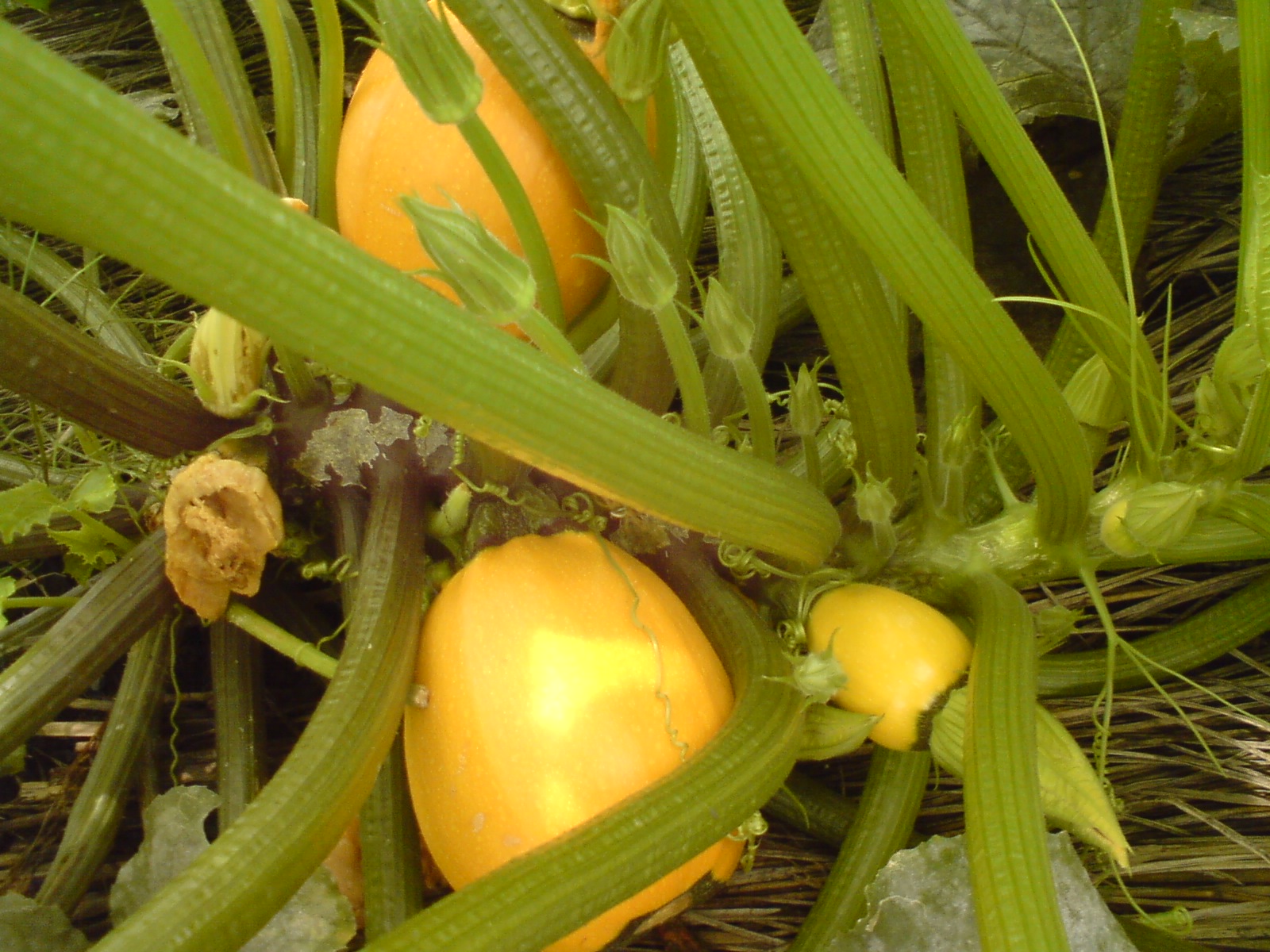
Agriculture Definition Detail
Agriculture is a form of industry which derives its products from living organisms, either plants or animals. Most agricultural activity takes place on farms and ranches. Specialized agricultural buildings usually house livestock, plant beds, or machinery, or they serve the specialized energy needs of an agricultural complex.
Until the Industrial Revolution, the vast majority of the human population labored in agriculture. Pre-industrial agriculture was typically subsistence agriculture in which farmers raised most of their crops for their own consumption instead of for trade. A remarkable shift in agricultural practices has occurred over the past century in response to new technologies, and the development of world markets. This also led to technological improvements in agricultural techniques, such as the Haber-Bosch method for synthesizing ammonium nitrate which made the traditional practice of recycling nutrients with crop rotation and animal manure less necessary.
Modern agronomy, plant breeding, and agrochemicals such as pesticides and fertilizers, and technological improvements have sharply increased yields from cultivation, but at the same time have caused widespread ecological damage and negative human health effects.
Selective breeding and modern practices in animal husbandry such as intensive pig farming have similarly increased the output of meat, but have raised concerns about animal cruelty and the health effects of the antibiotics, growth hormones, and other chemicals commonly used in industrial meat production.
Agriculture Definition

Agriculture Definition

Agriculture Definition
Agriculture Definition

Agriculture Definition

Agriculture Definition

Agriculture Definition

Agriculture Definition

Agriculture Definition

Agriculture Definition
Agriculture Definition

Agriculture Definition
Agriculture Definition

Agriculture Definition

Agriculture Definition

Agriculture Definition

Agriculture Definition

Agriculture Definition

Agriculture Definition

Agriculture Definition